
New UPSC Foundation, Optional and TGPSC/APPSC batches are open — book your counselling slot.Today's Current AffairsToday's Daily QuizCall 98804 87071

Pragnya Daily · 6:00 am IST

UPSC Daily Current Affairs Analysis

Every morning our editors scan The Hindu, Indian Express, Times of India, PIB, Down To Earth, RBI, ministries, the World Bank, IMF and UN agencies, and turn the 10 most exam-relevant stories into syllabus-mapped analysis with infographics, Prelims MCQs and Mains model answers.

10 stories dailyGS paper mappingInfographicsPrelims MCQsMains model answers

Today's edition

Wednesday, 28 October 2026

4 analysed stories

The UNFCCC NDC synthesis projects emissions in 2035 at 6% below 2019 levels under current pledges, or 9% below with full implementation, including conditional commitments—still insufficient to close the emissions gap.#2
Environment & EcologyGS 3

UNFCCC NDC Synthesis Report: Emissions Gap, Conditional Pledges and Climate Finance

The UNFCCC’s 2026 NDC Synthesis Report projects that current climate pledges would reduce global greenhouse gas emissions by only 6% below 2019 levels by 2035, rising to 9% with full implementation, including conditional commitments. The findings expose both inadequate collective ambition and dependence on enabling support: climate finance can unlock additional reductions, but existing pledges remain insufficient even if fully implemented.
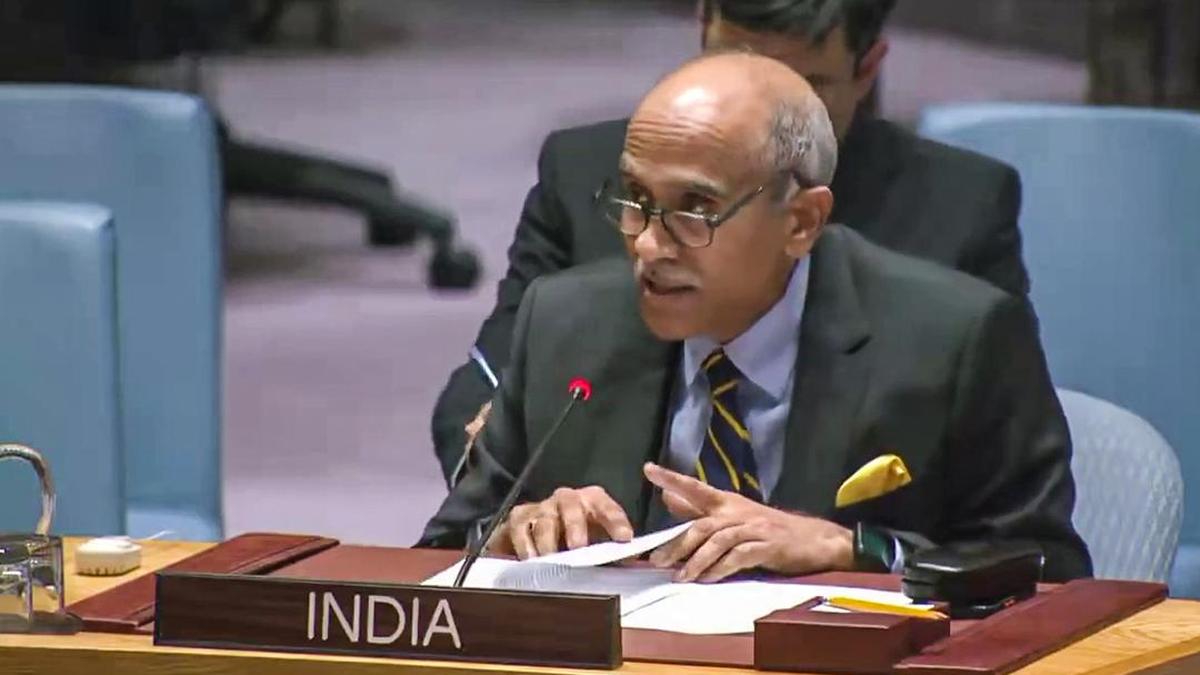
India argues that admitting new permanent Security Council members without veto rights would preserve unequal status within the Council.#5
International RelationsGS 2

UN Security Council Reform: India’s Case for Permanent Membership and Veto Equality

India has opposed a reformed UN Security Council that gives new permanent members no veto, arguing that this would preserve existing power inequalities. Its position links equal rights for permanent members with broader reform of representation, membership categories and working methods, but implementation requires overcoming resistance from existing powers and divisions among UN members.

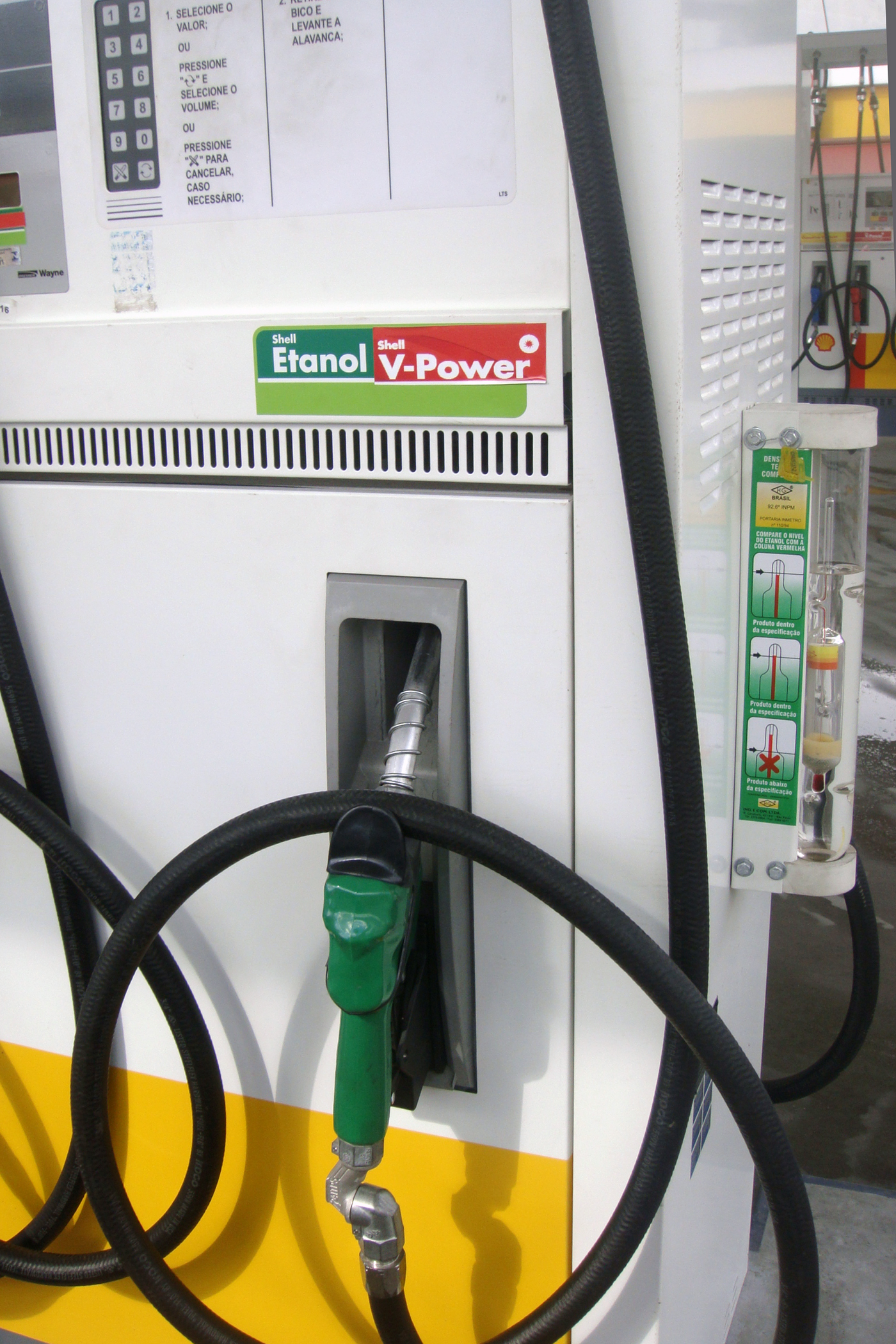
Reference view of an E100 ethanol pump at a fuel station in São Paulo, Brazil. India’s amended rules enable certification of specially designed ethanol vehicles; they do not make existing petrol vehicles E100-compatible.#7
Environment & EcologyGS 3

E100 Vehicle Rules: Ethanol Certification, Energy Security and Ecological Trade-offs

The Centre has amended the Central Motor Vehicles Rules, 1989, to enable certification of specially designed vehicles for ethanol fuels containing up to 100% ethanol. The change does not make existing petrol vehicles E100-compatible or require their conversion. It expands India’s fuel-diversification options, but environmental and consumer benefits depend on vehicle efficiency, ethanol production methods, feedstock choices and water use.

Free UPSC daily current affairs quiz — 10 questions, new every day at 8 am IST.

Call nowWhatsApp